Mar 24
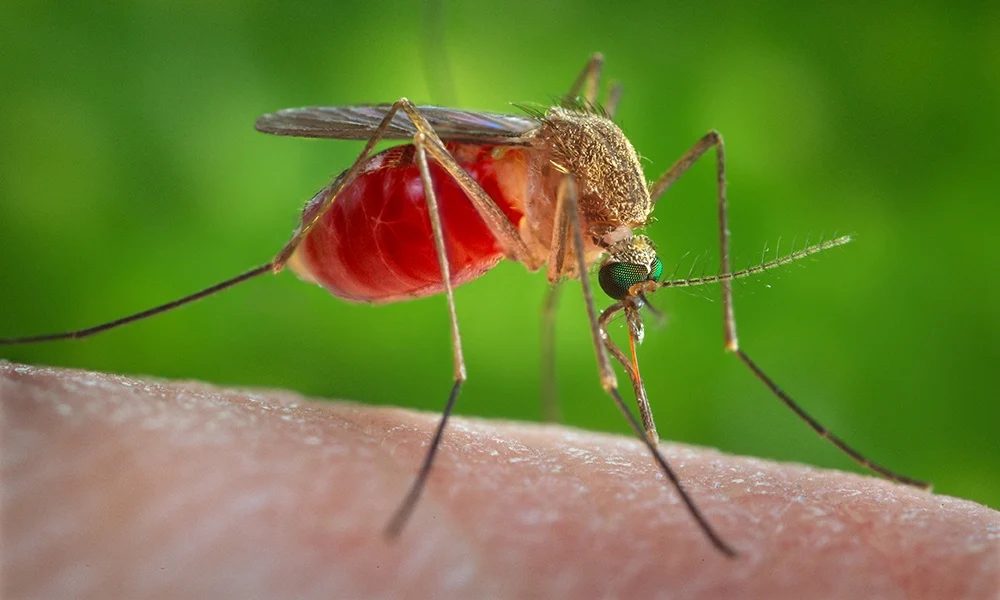
Hampton Roads homeowners are understandably skeptical about mosquito control. With the Chesapeake Bay, the Atlantic Ocean, and countless tidal waterways creating a vast network of potential breeding habitat, it can feel like fighting a losing battle. So does mosquito control actually work here? The honest answer is: it depends on what you mean by "work" and what method you use.
The coastal geography of our region creates ideal conditions for mosquito breeding. Standing water in low-lying areas, tidal marshes, and the countless small containers, gutters, and landscape features that collect rainwater all provide breeding habitat. The warm, humid summers extend the mosquito season from April through October. And the proximity to natural areas means that even well-treated properties can receive pressure from neighboring untreated areas.
Traditional mosquito barrier sprays, where a technician applies a pyrethroid insecticide to the foliage and vegetation around your yard, are effective at reducing adult mosquito populations in the treated area for 2 to 4 weeks. They work by killing mosquitoes that land on treated surfaces. The limitation is that they do not address breeding sites, so new mosquitoes continue to emerge and fly in from neighboring areas. Barrier sprays require monthly reapplication throughout the season to maintain effectiveness.
The In2Care Mosquito Station works on a fundamentally different principle. Rather than killing adult mosquitoes after they arrive in your yard, it uses mosquitoes as vectors to carry a biological control agent to breeding sites throughout your property and beyond.
Here is how it works: the station is filled with water and a biological attractant that draws female mosquitoes looking for a breeding site. When a mosquito enters the station, it picks up a biological larvicide (Beauveria bassiana fungus) and a slow-acting adulticide on its body. The mosquito then flies to other nearby breeding sites, depositing the larvicide in each one. This "auto-dissemination" effect means that the In2Care system treats cryptic breeding sites, such as clogged gutters, bird baths, and neighbors' yards, that a technician cannot directly access.
The result is a multi-generational reduction in the mosquito population around your property, not just a temporary knockdown of adult mosquitoes.